Drip Tape Fertilization

A steady feed of nutrients through drip tape produces big plants, enhances pest and disease resistance, and increases the quality and quantity of the yield. As such, we’ve decided that in addition to spreading our own organic composted cow manure onto our fields this year, we’re going to experiment with “injecting” organic liquid fertilizer. Given that we are installing a drip irrigation system to ensure the plants get enough water, applying additional nutrients through the drip system just makes sense. This is called fertigation.
There are many advantages to using the drip system to apply nutrients. To start, it sure beats trying to get a granular fertilizer under the plastic “mulch”. Using the drip tape, nutrients get into the rows exactly where they need to be and there is no worrying over getting equipment into wet fields. With the addition of a metering device, the timing and rate of application are easily controlled.
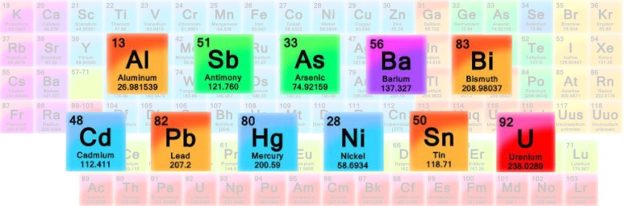
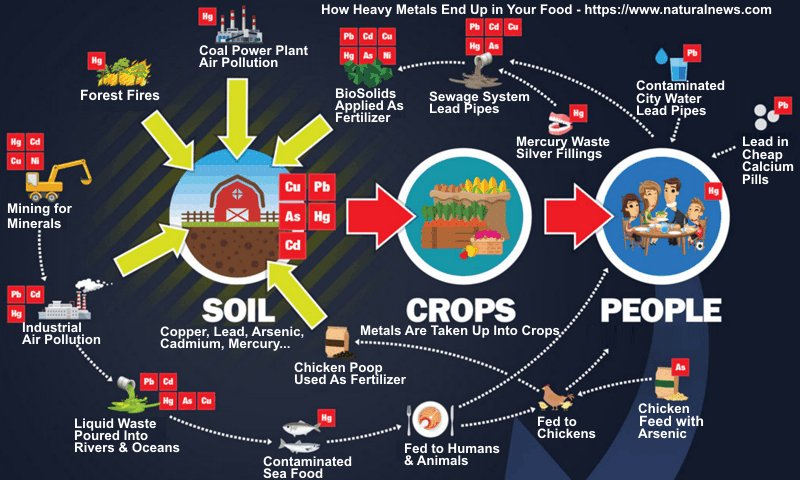
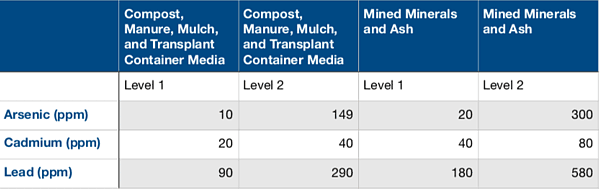
Organic liquid fertilizers span the spectrum from products made using conventional GMO Round-Up ready corn to fertilizer derived from wild caught fish with metal and chemical testing showing they’re free of toxins. Naturally, we’ll be using a very clean fish hydrolysate from a local supplier here in the Great Lakes area. In addition to only applying fertilizer to some rows, we may also experiment with compost tea via the drip tape. By only applying nutrients to some rows through the tape, we’ll be able to do a cost versus benefit comparison along with finding out if there are issues with the tape plugging up.
Injectors

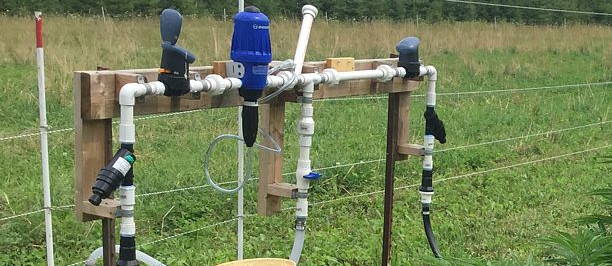
While there are various types of “injectors” to meter the introduction of nutrients (venture bypass, positive displacement) into the lines along with various electronic components that further automate nutrient injection, our system is very basic. It will consist of a single Dosatron D14MZ2 Fertilizer Injector tied into the poly header pipe feeding the drip tape. This D14MZ2 injector has a 14 gpm maximum flow rate and this works out nicely with our 1” poly header piping – 1” piping has a maximum flow rate of about 13 gpm.
In particular, our plan is to the install the Dosatron just before the 50 psi well water is lowered by the pressure reducer to 10 psi. We’re keeping the injector on the high pressure side as we are concerned over the 3/4″ connectors on the Dosatron impeding the flow on the 10 psi side. It’s a bit surprising the injector has 3/4″ fittings with a 14 gpm flow rate as clearly this is the rate for 1” piping.
In any case, we like the Dosatron because it is a respected brand that works off of water pressure alone. The pressure causes a piston to move up and down drawing in nutrients at a metered rate through the pick-up line – like a big syringe. The pickup line from the Dosatron drops into a bucket filled with concentrated nutrients. We will install piping and valves such that our single injector can be used to feed each of our zones one at a time. Pipe unions and shutoffs will allow for the injector to be swapped from zone to zone. It’s a super simple setup, especially in comparison to large grow operations, but meets our needs.
Oxygen Loving Microbes
As noted, our basic plan is to introduce compost tea and an organic liquid fertilizer through our drip system. The organic compost tea and liquid fertilizer will either directly nurture our plants by providing bio-available nutrients, or indirectly help them grow by improving soil micro-biology. For example, the recipe for compost tea we’re brewing has been laboriously tested using a microscope to ensure it is teaming with the right kind of microbes. Namely, it’s loaded with oxygen loving aerobic microbes of all sorts – bacteria, fungi, flagellates, ciliates, and the like. Similarly, the liquid fish hydrolysate fertilizer we’ve selected not only contains Nitrogen (N), Phosphorous (P), and Potassium (K) for direct uptake, it also contains kelp extract, hummic acid, and fulvic carbon sources to promote healthy soil biology.
As an aside, we also looked into injecting mycorrhizal funji. These are hugely beneficial funji that extend the root system by many fold. These fungi don’t survive the tea brewing process but spores are available in powder form. So we were excited about the possibility of introducing mycorrhizal fungi spores right next to the roots using our drip system. Unfortunately, we were told the spore powder would plug up our tape. We’ll write more about mycorrhizal fungi in another article.
Before getting into the challenges of finding a deeply organic liquid fertilizer, it’s important to understand that farming that heals the land is so much more than simply top-dressing with fertilizer as in conventional farming practices. It even goes beyond the organic practices of applying well-composted manure along with good cover crop management. Sure, compost and cover crops make for stronger plants and better yields, but the deep and lasting story, when it comes to rejuvenating our soils and unleashing their full potential, is all about the tiny microscopic microbes that live in the soil.
By the way, there is a huge difference between well-composted manure and a pile of rotting poo. Well-composted manure is actively managed with the piles turned according to temperature. Turning mixes any dry matter added to the pile along with introducing oxygen. This promotes the growth of oxygen-loving (aerobic) microbes while killing off oxygen-hating (anaerobic) microbes. Piles are turned when the temperature dips below 130 degrees Fahrenheit or rises above 160 degrees – see How To Manage a Compost Pile Using Temperature.
To put this in context, we all know how important oxygen is to living beings including people. Plants grown in soil amended with compost containing oxygen loving microbes have the greatest benefit for people. It’s the oxygen-loving microbes that produce vibrant, nutrient rich plants.
The fact that oxygen-loving (aerobic) microbes are good for people and plants while oxygen-hating (anaerobic) microbes are problematic is made apparent by the fact that it is the anaerobic (oxygen-hating) bacterium that makes rotting manure smell bad – manure that sits stagnant in a heap. Everyone intuitively knows that anaerobic are to be avoided by using their noses. The by-products of anaerobic (oxygen hating) bacteria and their associated smells are dioxide (sulfur), butryic acid (sour milk), valeric acid (vomit), putrescine (decaying flesh) and so on. In contrast, well composted manure is fluffy and has a earthy tone.
Getting back to importance of improving soil biology, the work of Elaine Ingham B.A., M.S., Ph.D. from the Soil Food Web, makes it clear that very few additional nutrients are required in microbe rich soils. In other words, even though conventional soil testing may indicate lack in soil pH, phosphorus, potassium, and the like, when the soil is teaming with beneficial microbes, the nutrients will be unlocked from the soil on an as-needed basis. In healthy soil, the plant and the microbes live in a symbiotic relationship. The plant sends sugars down through its roots to feed the microbes and the microbes unlock otherwise inaccessible nutrients in the soil making them available for uptake by the roots.
Today, conventional farmers focus on the three major nutrients, Nitrogen (N), Phosphorous (P), Potassium (K), a handful of micro-nutrients like magnesium, along with soil pH. Soil tests tell the farmer how much of each of this limited number of nutrients needs to be spread onto the fields. If soil pH is off, it is adjusted by spreading lime or sulfur. It’s really a brute-force method that ignores the multitude of other micro-nutrients essential to healthy plants along with the microbial community that has evolved over thousands of years to live in harmony with plants.
In vibrant soil, the microbes extract the full range of nutrients required by the plant directly from the soil without any additional inputs. Said another way, regardless of what “deficiencies” soil testing my show and regardless of its type, all soil has thousands of years of all the nutrients plants would ever need. It’s just that from a conventional standpoint, these nutrients are locked up. They’re locked up because modern farming has killed off the microbial community through practices like constant tilling, leaving ground fallow, and applying chemicals. Working with dead soil, farmers have no choice but to pay chemical companies even more for fertilizer to make up for the lifeless soil the chemicals created; conventional farmers pay twice for benefits the microbes happily provide for free. By restoring the micro-biology, all the nutrients ever needed are available to plants.
One of the main edicts of organic farming is to restore soil health and we take this very seriously. By working to restore the microbial community in the soil, we unlock the virtually endless supply of nutrients in the existing soil without having to rely on the brute force, destructive, and expensive approach of trucking and spreading chemical fertilizers onto the soil. As we work to continually improve our soils, the amount of additional nutrients required becomes less and less, the plants are healthier, and the fruit/bud produced hold more and more of the full entourage effect.
Fertilizer for Flowering Plants
Before reviewing the various organic liquid fertilizer products that we researched, a brief overview of the relative amounts of Nitrogen (N), Phosphorous (P), and Potassium (K) makes sense. Knowing how of each of these three nutrients affect plant growth along with the relative levels required at the various stages of growth helps in evaluating the various liquid fertilizers on the market. These are the three ingredients listed in nearly all commercially available fertilizers.
N-P-K Benefits
- Nitrogen (N): leaf growth
- Phosphorus (P): strong root development in young plants, flowers, seeds, fruit
- Potassium (K): larger diameter stems for bigger bud, water movement, promotion of flowering and fruiting, strong immune system to resist pests, strengthens metabolism, necessary for photosynthesis and the production of proteins
Vegetative Phase |
N-P-K |
| Seedling: 1-2 Leaf Sets | 2 – 1 – 2 |
| Seedling: 5 Fan Leaves | 4 – 2 – 3 |
| Mid-Veggie Phase | 10 – 5 – 7 |
| Late Vegetative Phase | 7 – 7 – 7 |
Flowering Phase |
N-P-K |
| Early Flowering | 5 – 10 – 7 or else 6 – 15 – 10 |
| Final Flowering | 4 – 10 – 7 |
In looking over the above, it should be noted that the N-P-K ratios are “ballpark” values. Every fertilizer will have slightly different ratios. In addition, it’s the relative ratio between N, P, and K that matter. For example, a person can use twice as much of a 2-1-2 fertilizer to equal a 4-2-3 fertilizer.
Above is an example of NPK ratios and timing of application for flowering crops. In the vegetative stage, nitrogen levels are increased. Later on as the plant approaches flowering, nitrogen is decrease while phosphorous and potassium are increased to promote flower production. About a week before harvest, all fertilization is stopped to “wash out” the plants.
Liquid Fertilizers
Looking over the OMRI certified products is enough to make a person’s head swoon. There are 80 pages with 3 columns on each page of suppliers. Even though they are divided up into categories, there is no category for liquid fertilizers that work in drip irrigation systems.
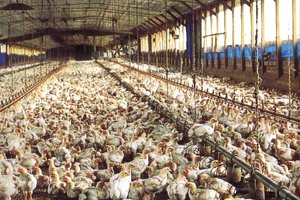
We spent quite a bit of time finding suppliers and researching their products. As anyone who looks into the organic scene today knows, the term “organic” doesn’t mean what it used to. Today CAFOs (concentrated animal feeding operations) and plants grown indoors without soil (hydroponics) are given “organic” status. In what “stretch of the imagination” do these types of operations have to do with nurturing the well-being of animals or the soil? We don’t know but there is a wide range of products when it comes to “organic” liquid fertilizers.
For direction on selecting larger scale suppliers, we relied on mentions in various online grower videos, as well as, the article Fertigation in Organic Vegetable Production Systems . The article has a table listing about 30 liquid fertilizer products along with their N-P-K ratios and cost per pound of nitrogen. We essentially researched the top 2/3rds of the list along with a handful of other manufacturers. We considered fertilizers that cost more than $25 per pound of nitrogen to be “boutique” products. What follows are more detailed notes on the three producers that we gave a call to along with a brief mention of a handful of others we looked into.
Dramm Drammatic

Per Dramm’s website, all six of their OMRI certified fertilizers are made ”… from fresh fish carefully processed at low temperatures to maintain the integrity of naturally occurring amino acids, vitamins, hormones and enzymes. The raw material is then stored in digestion tanks to liquefy the product. This method produces a product called a fish protein hydrolysate…”
Dramm Corporation
2000 North 18th Street
Manitowoc, WI 54221
(920) 684-0227
Dramm Notes
- Produced in Algoma Wisconsin and available for pick-up in 55 gallon drums or 275 gallon totes.
- Certified test results are available on request. In general, testing for heavy metals and chemicals comes back below detectable limits.
- Apply the first one or two feedings at 1/2 the normal rate, then one or two feedings at 3/4 rate.
- It’s OK to apply 2-3 gallons of Drammatic per 100 gallons of water during transplanting using a water wheel.
- Use Drammatic One ($9.60/gal) during “veg” and switch to Drammatic E ($9.17/gal) for bloom.
- Technically, Drammatic should not be used in drip tape but lots of grower do so without issue – make sure to flush lines for 20-30 minutes after fertigating.
- Recommend Drammatic One and Drammatic E with kelp and fulvic acid.
- Drammatic fish hydrolysate is filtered to 200 mesh.
- Fish hydrolysate is superior to fish emulsion.
- The fact that Dramm is local allows us to buy this higher priced fertilizer for less than those that have out-of-state freight charges. This in combination with testing that shows the fertilizer is toxin free made Dramm the choice for us.
Drammatic Recommendations
- After transplanting or emergence, apply Drammatic “ONE” or “5N” 4-4-0.5 until flowering starts.
- Tier 1: 5-10 gallons/acre every 7-10 days
- Tier 2: 3-7 gallons/acre every 7-10 days
- Tier 3: 2-5 gallons/acre every 10-14 days
- Once flowering has begun, switch to Drammatic “K” or “E” 2-5-0.2 until harvest.
- Tier 1: 5-10 gallons/acre every 7-10 days
- Tier 2: 3-7 gallons/acre every 7-10 days
- Tier 3: 2-5 gallons/acre every 10-14 days
- Alternatively, begin Drammatic “K” or “E” 2-5-0.2 at flowering.
- Tier 1: (not an option)
- Tier 2: 7-10 gallons/acre every 7-10 days
- Tier 3: 3-7 gallons/acre every 10-12 days
- Fertilizer can be applied in the furrow, side dressed, or as a foliar spray.
- Drammatic feeds soil microbes so applying less fertilizer more often is always better than more fertilizer less often.
- Drammatic Fish Fertilizer Blends
BWF Banducci

Per BWF Banducci’s website, all of their OMRI certified products, ”Liquid Sunshine 5-1-1, Secure Organics 4-1-1, Secure Plus 4-6-1, Organique Exquis 3-1-1, Super 6-1-1 Plus Kelp, and Bandi Meal are manufactured under strict LGMA (Leafy Green Marketing Agreement) protocol guidelines at our facility in Mexico under BWF Banducci Inc. Our products are 100% naturally derived from “whole” ocean-going fish. BWF Banducci Inc. uses no animal by-products or manure in our formulation process; our products are strictly by-products of fish meal.”
BWF Banducci
P.O. Box 81506
Bakersfield, CA 93380-1506
661-328-9474
Banducci Notes
- Available in drums, totes, and tanker loads.
- Screened 3 times through 100 mesh filter so it is “tape ready”.
- May want to use a Y-filter before the drip tape to further clean up the product.
- It is recommended to lightly fertigate with 5-1-1 during the first two weeks after transplanting. Apply fertilizer every 2-3 weeks. At bloom, use 4-6-1 at 20 gallons per acre weekly. Alternatively and given our initial application of compost, wait for 3 weeks after transplanting and then apply 4-6-1 through the rest of the season.
- As with all nutrients sent through drip tape, it is very important to run water for 30 minutes of longer to clean out the tape and emitters.
- $5.90 per gallon plus up-charge for 55-gallon drums and shipping from Denver or California.
- Except for shipping costs to the mid-west, Banducci looks like a good product.
Converted Organics

Per Converted Organics website, their eight OMRI certified fertilizers with varying N-P-K ratios are derived from grain fermentation solubles, hydrolyzed soy protein, and fish… The High Temperature Liquid Composting (HTLC) process is an extremely efficient, state-of-the-art, in-vessel biological system which rapidly converts organic matter (including fish byproducts, vegetable and plant wastes, meat wastes, etc.) into high quality, manure free liquid organic fertilizer products.
Nature Based Technologies LLC
Converted Organics Distributor
7343 El Camino Real Suite #156
Atascadero, CA 93422
(800) 870-4012
Converted Organic Notes
- A component of their fertilizer is made from corn steep water. In general, corn is steeped in large tanks filled with water containing sulfur dioxide so that the corn can be processed into constituents such as fiber, oil, carbohydrate, etc. The left-over steep water is then treated with enzymes and dried down somewhat to create liquid fertilizer. It is assumed that the corn is not organic – that it contains GMO and Round-Up.
- Soil samples may be sent to an on-staff agronomist at Converted Organics for specific fertilizer recommendations.
- In general, it is recommended to use 2-2-2 or 1-3-0 during vegetative stage and 2-2-4 during blooming to use about 1 tablespoon per gallon.
- Their products are not recommended to be used in drip tape – apply as a drench. Note: Given what we’ve read, it would probably work fine in tape if the precautions below regarding flushing the lines are followed.
- We now understand why this product is sold at a lower price. We would never use an “organic” fertilizer made from conventionally grown plant matter laden with DNA spliced material and life destroying chemicals – watch Dr. Davis – Wheat Belly and Dr. Seneff – GMO & Glyphosate (Round-Up).
Other Liquid Fertilizers
- California Organic Fertilizers Phytamin – California based company sells a line of very soluble liquid fertilizers with higher levels of bio-available nitrogen.
- Nutri Ag – Canadian based company at one time carried organic fertilizer but now only make three OMRI certified supplemental nutrients – Enviro Manganese, Enviro Calcium, and Enviro Potassium.
- Botanicare – Washington based company sells Pure Blend Grow and Pure Blend Bloom Soil Formula for flowering plants (terrible website). Their products are not OMRI certified but reportedly exceed OMRI requirements – product view.
- Hydroponic Research Veg + Bloom and Shine – California based company sells fertilizer for indoor hydroponic non-organic grow operations.
Flushing Drip Tape
Ever liquid supplier we spoke with all stressed the importance of flushing the drip tape after injecting fertilizer into the tape. Unlike chemical fertilizers, organic fertilizers are “alive” with microbes. If left to sit inside drip tape, the microbial community may flourish and plug up the tape. As such, it’s very important to flush out the lines. The general recommendation is to run water through the system for at least 20 minutes after. A much more thorough all method is described in Fertigation in Organic Vegetable Production Systems.
How to Flush Drip Tape
- Install a 200 mesh filter between the injector and the drip tape laterals.
- To ensure uniform distribution, wait until the entire system is pressurized before injecting.
- Using food dye, time how long it takes for water to reach the farthest emitter.
- Using food dye, time how long it takes for fertilizer to reach the farthest emitter.
- Time how long it takes to inject the fertilizer.
- Run water for 30 minutes longer than the sum of times from 3, 4, and 5.
Adding It All Up
Truly organic fertilization is at least as much about rebuilding soil biology as it is about providing readily available nutrients to the plant. When soil biology is restored, the microbes in the soil work in harmony with the plant. In exchange for sugars that the plant sends down through its roots, the microbes unlock nutrients in the soil making them available for uptake. Finding a deeply organic fertilizer requires research followed by lots of phone calls to determine the type and cleanliness of the materials used to create the fertilizer. Simply reading website selling points is not enough.
Note: Organic Entourage has no financial affiliation or otherwise with any products mentioned.